A new fence is one of those projects where the difference between “fine for a few years” and “solid for decades” is invisible on day one. It's underground, in the post holes. It's in whether anyone checked the City of Mansfield's fence regulations before the material order went in. Fencing Pros Mansfield installs wood, iron, aluminum, and chain-link fencing across Mansfield and the surrounding southern DFW communities, and we build the unglamorous parts as carefully as the parts you see.
Your material options, honestly compared
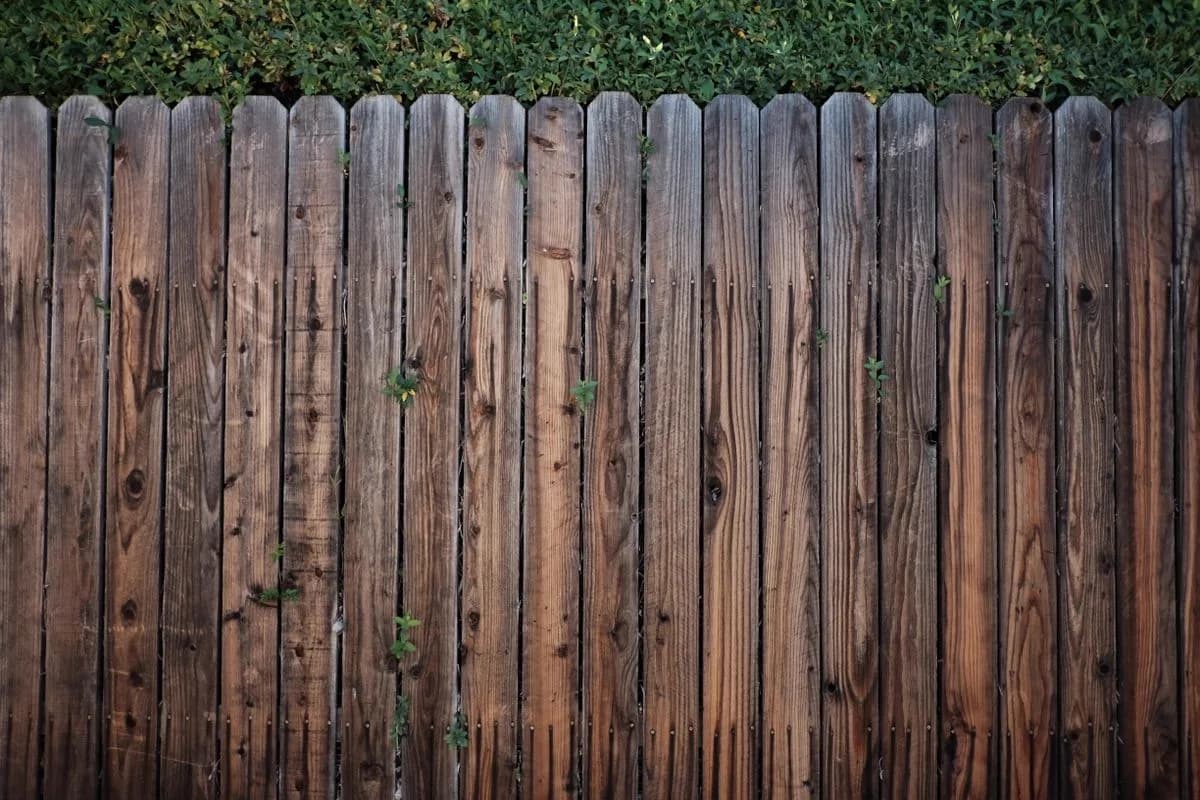
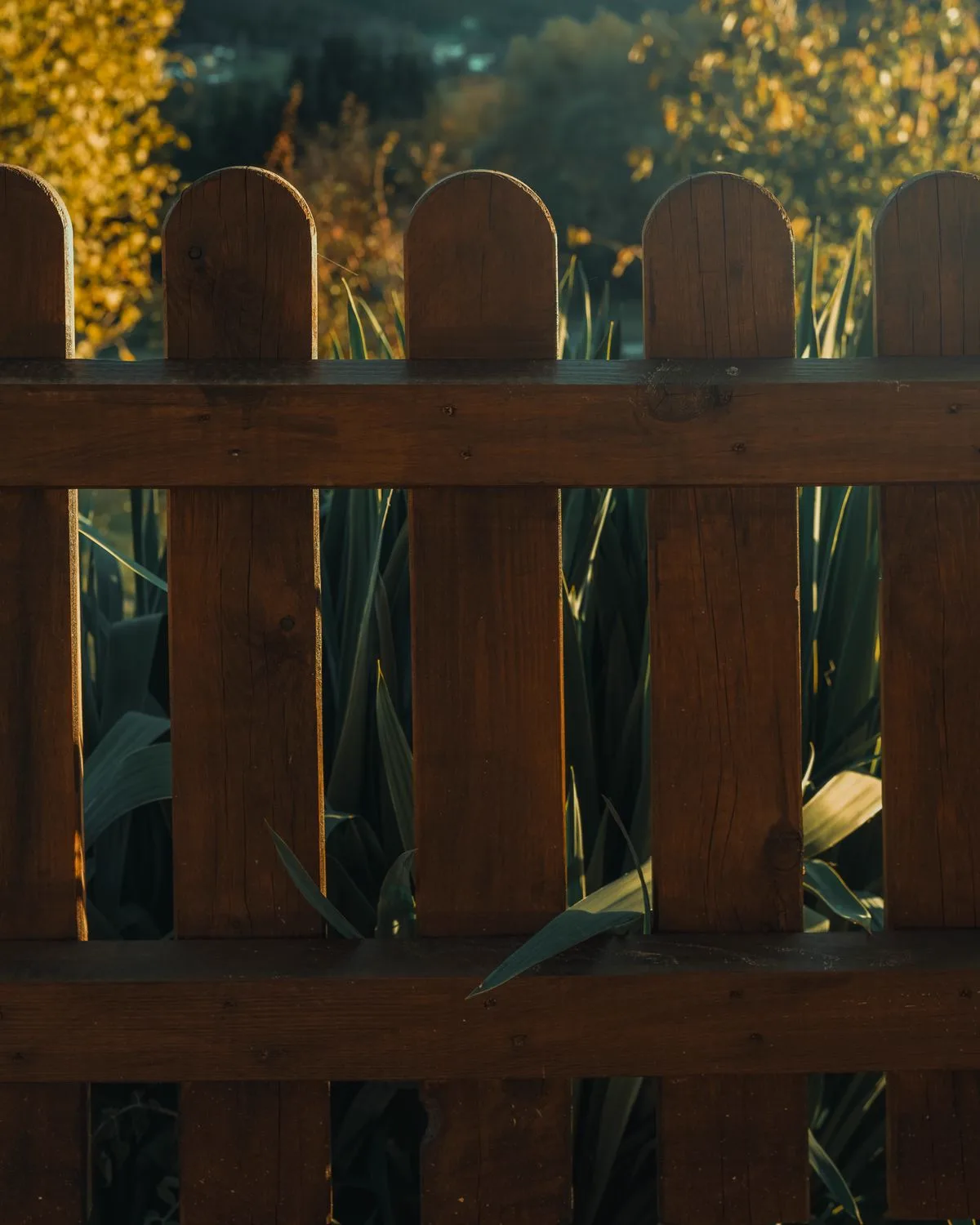
Most Mansfield backyards call for a cedar or treated-pine privacy fence — six feet of relief from the neighbors, built board-on-board or standard privacy style. Cedar costs more and earns it in rot resistance and looks; treated pine is the budget-smart pick if you're staining on schedule. If you want security without a wall, ornamental iron and aluminum keep sightlines open — a common HOA requirement for front-facing runs and corner lots. And for big utility areas, pets, and commercial lots, chain link still delivers the most fence per dollar of anything on the market.
Layout and line planning before anything is ordered
Every install starts with a walk of the actual line: where your plat says the boundary is, where the old fence actually sits (they disagree more often than you'd think), where gates need to land for mowers and trash day, and where the grade rises or falls enough to matter. Mansfield has a mix of established neighborhoods and newer master-planned subdivisions, and the two come with different realities — mature trees and settled soil on one side, builder-grade fences all failing on the same schedule on the other. Planning the line properly means no surprises mid-build and no awkward conversations with the neighbor whose yard your fence just annexed.
Post-setting in expansive clay — where fences live or die
North Texas sits on expansive clay. It swells when it rains and shrinks hard in August, and that movement works fence posts loose year after year. This is why a fence that would stand straight for twenty years in sandier country starts leaning here in five. We set posts to a depth matched to the fence height and wind load, in concrete, with attention to drainage at the base of each post — because water pooling around a post accelerates both soil movement and rot. Steel posts are worth discussing on long privacy runs; they cost more per post and shrug off both the clay cycle and the spring wind that racks wooden posts.
Gates that still swing in five years
Gates are the moving part of a fence and the first thing to fail when they're an afterthought. We frame gates to resist sag, hang them on hardware sized for their weight, and set gate posts heavier than line posts. If you're thinking about an automatic driveway gate, the time to plan power and access control is during the fence build, not after.
The permitted, code-aware process
The City of Mansfield requires a permit for fence installation and replacement, and its fence regulations govern height, materials, and corner visibility near intersections. We build that into the schedule — permit first, then build. Before digging, we contact Texas811 so underground utilities are located and marked, as Texas law requires. If you want to read up on the permit side yourself, our Mansfield fence permit guide walks through what the process generally involves and links the city's official pages.
What a new install looks like, start to finish
- Quote request. Tell us the project type, rough length, and material in our one-minute quote flow.
- On-site measure and estimate. We walk the line, confirm measurements and grade, and give you a written scope.
- Permit and schedule. We handle the City of Mansfield permit and the Texas811 locate, then lock your build dates.
- Build and walkthrough. Posts set, panels hung, gates adjusted — then we walk the finished line with you before we call it done.