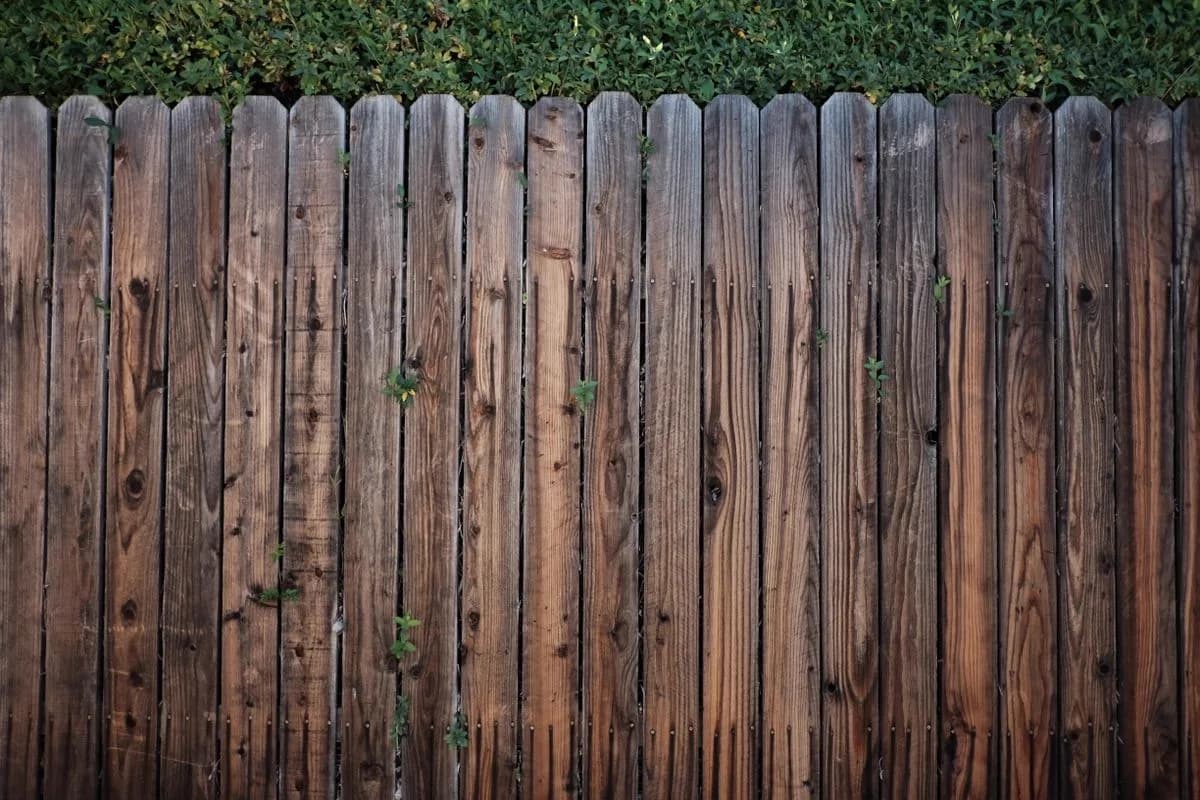
The backbone of our fence installation work
Wood privacy fencing is the heart of our fence installation work in Mansfield — it's what most backyards here want and what most HOAs expect along rear and side lines. Six feet of cedar between you and the neighbors changes how a backyard feels: the patio becomes a room, the dog gets the run of the yard, and the trampoline stops being a community event.
But “wood fence” covers a wide range of quality, and the differences are mostly decided before the first picket goes on. Species, style, post choice, and whether anyone plans to stain it — those four decisions set the fence's lifespan.
Cedar vs. treated pine: the honest version
Cedar is naturally rot- and insect-resistant, stays straighter, and weathers more gracefully — it's the premium pick and it earns the premium. Pressure-treated pine costs noticeably less and is structurally fine, but it's wetter lumber: it wants to cup, twist, and check as it dries, especially in a Texas summer, and it depends more heavily on stain for its long-term looks.
Our rule of thumb: if you plan to stain and maintain on schedule, treated pine is a defensible budget choice. If you want the fence to look good with less intervention, cedar. We wrote up the full comparison — cost, movement, lifespan, and how each takes stain — in our cedar vs. treated pine guide.
Privacy styles: standard, board-on-board, cap & trim
A standard privacy fence butts pickets edge to edge — simple and effective until the pickets shrink and gaps open. Board-on-board overlaps the pickets so the fence stays fully private even as the wood moves, and it reads noticeably more substantial from the street. Adding a top cap and trim rail dresses the fence line, protects picket end grain from standing water, and stiffens the top of the fence against leaning fatigue.
Which one is right is mostly a budget-and-priorities conversation, and it's exactly the kind of thing we settle at the on-site measure.
Lifespan in North Texas — and how staining changes it
An unstained, untreated-against-the-sun wood fence in our climate grays within a couple of years and weathers on fast-forward: UV breaks down the surface, storms drive moisture into end grain, and the clay cycle works the posts. The same fence, stained and sealed on a sensible schedule, can last dramatically longer — we walk through realistic numbers in how long a wood fence lasts in Texas.
That's why we treat staining and sealing as part of wood fence ownership, not an upsell. New fences get stained once the wood's moisture content is ready; existing fences are best stained before the gray sets in.
Built by the book
Like every fence we build, wood fences in Mansfield go in with the city's fence permit and regulations handled, and a Texas811 utility locate before post holes are dug. It's part of the process — see how we work — and it's why our quotes talk about post depth and drainage, not just picket count.