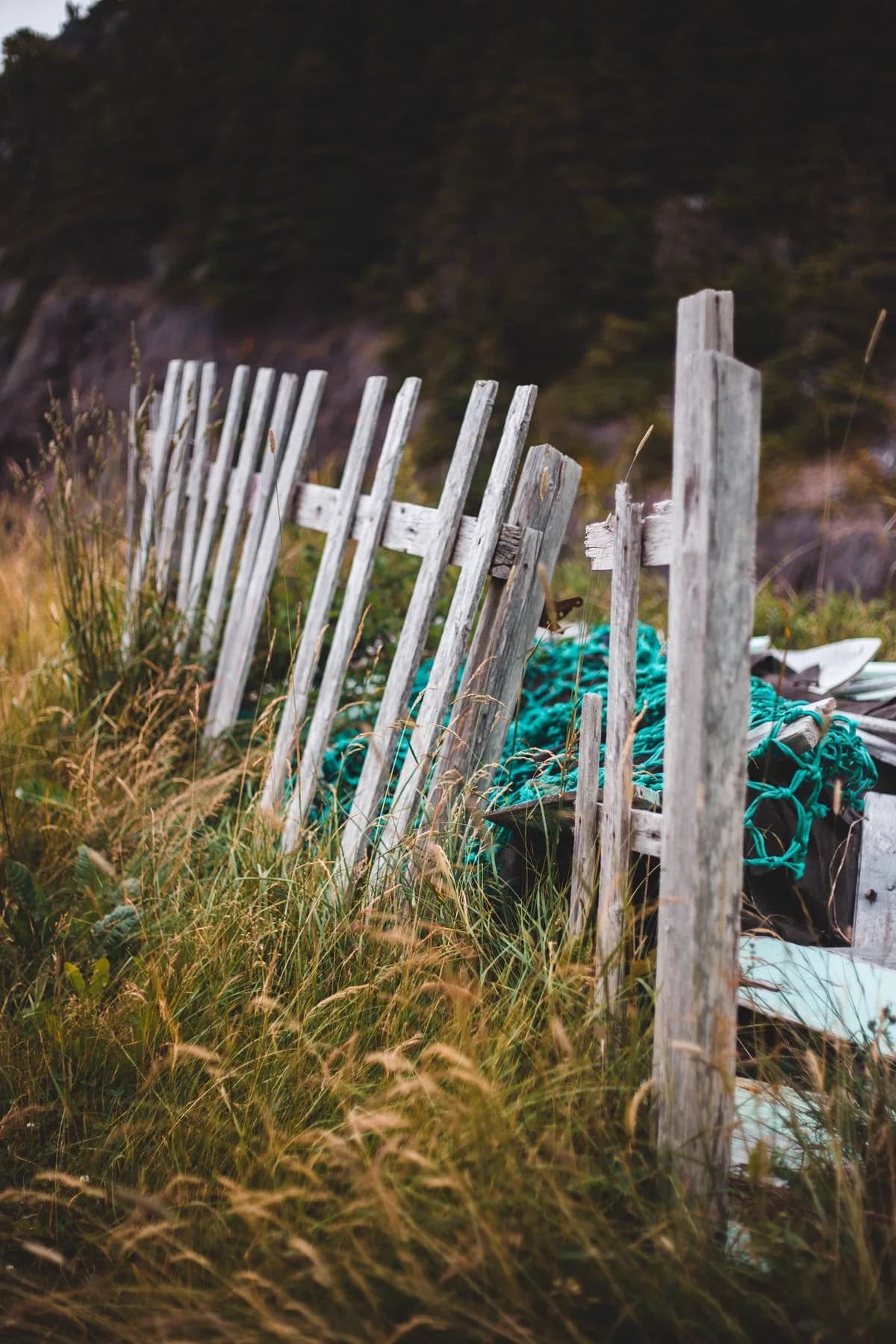
The honest range
Ask around and you'll hear everything from “ten years” to “thirty.” Both are real numbers from real yards. The spread isn't luck — it's four variables: wood species, what's holding it up, whether it was ever stained, and what the weather happened to throw at it. A builder-grade pine fence, never stained, on minimal posts, facing west? The short end. A board-on-board cedar fence on well-set posts, stained on schedule? It can genuinely push toward the long end, with hardware and gates — not the pickets — often the first things asking for attention.
What Texas does to wood
Three local forces set the clock. Sun: North Texas UV destroys unprotected wood surface fast; graying is the visible symptom, and it starts within a couple of years on bare wood. Clay: our expansive soil swells and shrinks with every wet-dry cycle, working posts loose — the fence starts moving in the wind, and movement loosens everything else. Storms: spring wind events are the pass/fail exam; they don't break sound fences often, but they find every rotted post and every loose rail, all at once.
Notice that two of the three attack the structure, not the pickets. Fences rarely die of picket failure — they die at the posts and rails, which is why our installation standards spend so much effort below grade.
The ground line: where fences rot first
Wood's enemy isn't rain — it's staying wet. The ground line is where that happens: soil and mulch piled against pickets, sprinklers soaking the same bottom six inches daily, grass clippings holding moisture against the fence. Simple ownership habits add years: keep soil and mulch off the pickets, aim sprinkler heads away from the fence, and leave a little daylight under the bottom of the fence where the design allows.
What staining actually buys you
A quality stain and seal is the single highest-leverage intervention a wood fence can get: pigment blocks the UV that grays and embrittles the surface, and sealers shed the water that feeds rot and movement. Stained-on-schedule fences don't just last longer — they stay repairable longer, because sound wood holds fasteners and takes a reset; punky wood doesn't. The economics are straightforward: several stain cycles cost less than one early replacement. The species decision interacts here too — see cedar vs. treated pine for which wood needs stain versus which wood merely deserves it.
Extending the life of the fence you already own
If your fence is middle-aged, triage beats despair. Firm posts plus graying pickets: clean and stain, and you've bought meaningful years. A few failing posts in an otherwise sound line: reset or replace those posts now, before a storm converts a two-post problem into a whole-section rebuild. Widespread post failure, brittle pickets, rails going soft: that fence has given what it had — put money toward replacement instead of serial repair. We'll tell you which of those three you have, plainly, because it's exactly what we'd want to know ourselves.